

Good design used to be about aesthetics. Today, it’s about foresight.
We’ve moved beyond the era of chandeliers and grand lobbies being the hallmark of “luxury living.” In 2025, home design is about anticipating how we live—not just today, but five, ten, fifteen years from now.
As urban spaces evolve and lifestyles blur the lines between home, work, wellness, and rest, the most valuable developments are those that don’t just respond—they pre-empt.
We really did have a blue bird day in Lauderdale as we tacked back and forth in a small chop, chocolate croissants in hand—oh là là!
Neil Gaiman
TouristThe Shift From “Built to Sell” to “Built to Last”
For too long, apartment complexes were created to impress at launch. But increasingly, homebuyers are asking: will this space still work for me in a decade? Will it age gracefully, adapt to changing needs, and continue to offer comfort, functionality, and pride?
Future-ready design isn’t louder.
It’s smarter. Here’s how that shift is taking shape:
- Space That Adapts With You
Design that allows flexibility—convertible rooms, modular furniture niches, and multi-use areas—means homes can evolve as your family or routine does. A study nook today, a nursery tomorrow, a meditation room later. Great design builds that in. - Wellness Woven Into the Floor Plan
Good lighting and ventilation aren’t luxuries—they’re necessities for physical and emotional wellbeing. Homes that maximise cross-ventilation, natural light, greenery views, and noise buffering don’t just look better—they feel better to live in. - Sustainability in Every Brick
Designing for tomorrow means respecting the planet today. Energy-efficient lighting, water conservation systems, native planting, and heat-reflective facades are all becoming standard—not optional. These features are no longer ‘greenwashing’—they’re part of responsible living. - Tech That Simplifies, Not Complicates
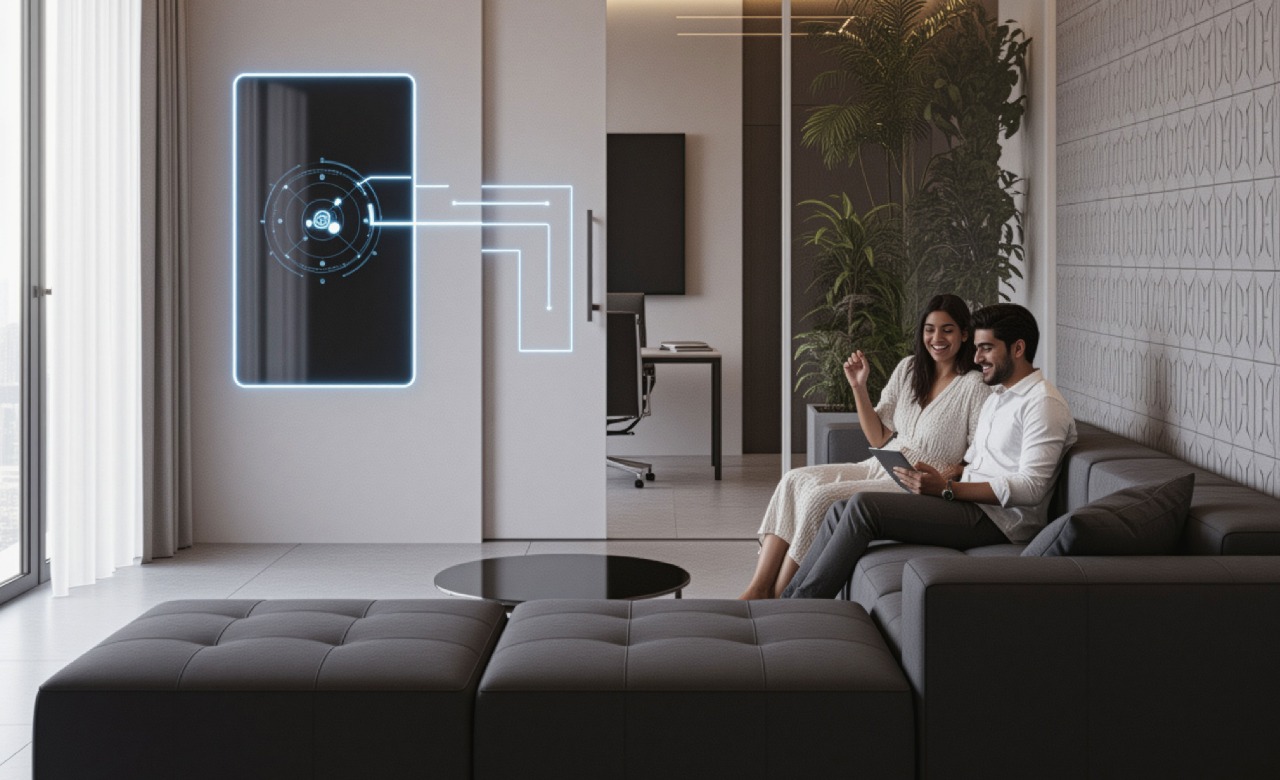
Smart homes are no longer about gimmicky apps and overly complex automation. The future-ready home integrates intuitive technology—touchless access, app-controlled lighting or climate, smart security—all designed to enhance comfort without overwhelming the user. - Shared Spaces That Actually Make Sense
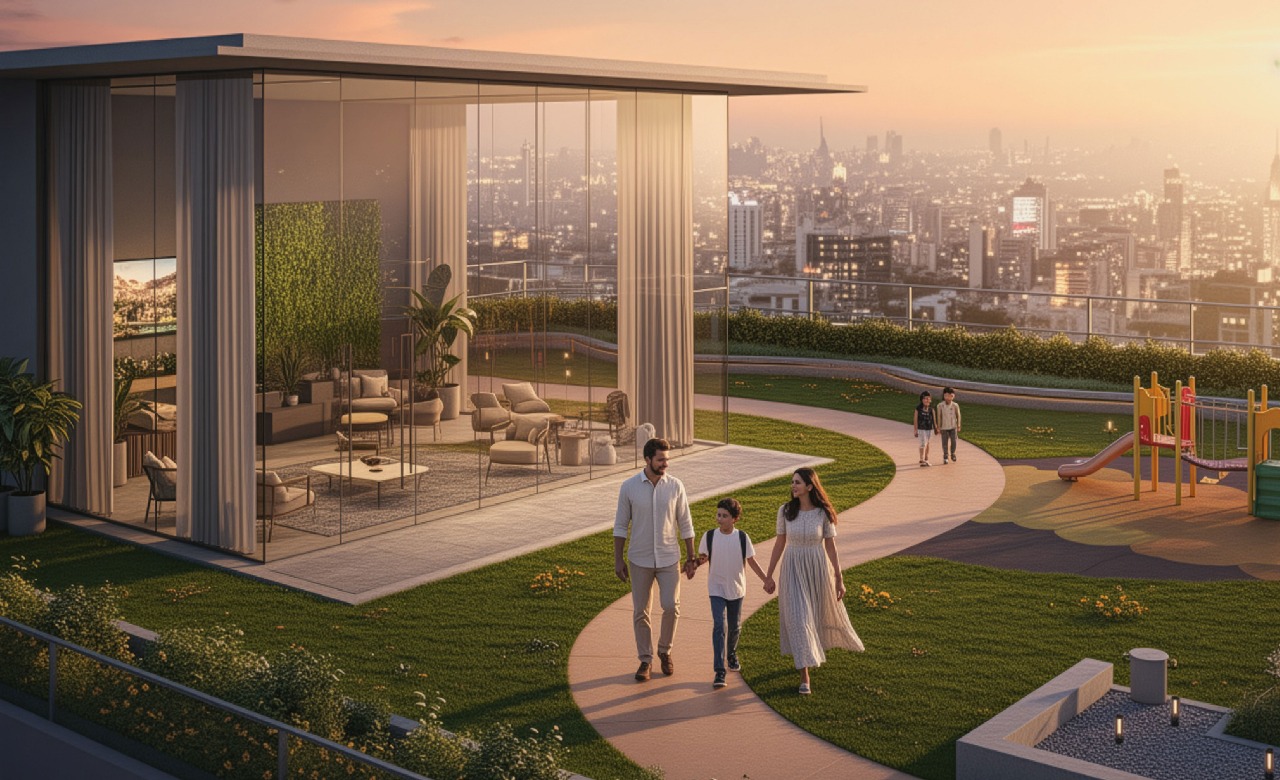
Instead of unused banquet halls and ornamental gyms, future-forward projects design co-working lounges, rooftop gardens, quiet zones, interactive kids’ areas, and walking loops. The best shared amenities aren’t about grandeur—they’re about relevance.
Why Location Matters to Design
A well-designed home is only as useful as the environment it sits in. That’s why choosing to build along a growth corridor like NH-24 makes sense. It offers the space, scale, and infrastructure to plan communities that are not just efficient but elegant.
Civitas’s upcoming residential project is a reflection of this thinking—a vision that puts future living, not just current market trends, at the heart of its design philosophy.
Design That Holds Up in the Real World
The ultimate test of good design isn’t how it looks on a brochure—it’s how it lives on a Tuesday. Does it adapt? Does it breathe? Does it support your rhythms, routines, and needs in real-time?
That’s the future Civitas is designing for. Because tomorrow’s homes shouldn’t need updates. They should already understand what’s coming.